Refined Calm for Compact Kitchens
Guiding Principles of Subtle Elegance
Calibrated Minimalism
Edit forms until only what serves cooking, conversation, and cleaning remains. Flat panels, integrated pulls, and continuous toe kicks reduce visual chatter, letting natural light and grain take the lead. The result feels spacious, even when measured in inches rather than feet.
Tactile Harmony
Choose materials that invite touch: honed stone, rift-sawn oak, brushed nickel or unlacquered brass that quietly patinates. Texture softens acoustics and reflects light in gentle ways, allowing compact rooms to feel welcoming, grounded, and beautifully lived-in from day one.
Space Planning That Breathes

Materials, Finishes, and Quiet Color




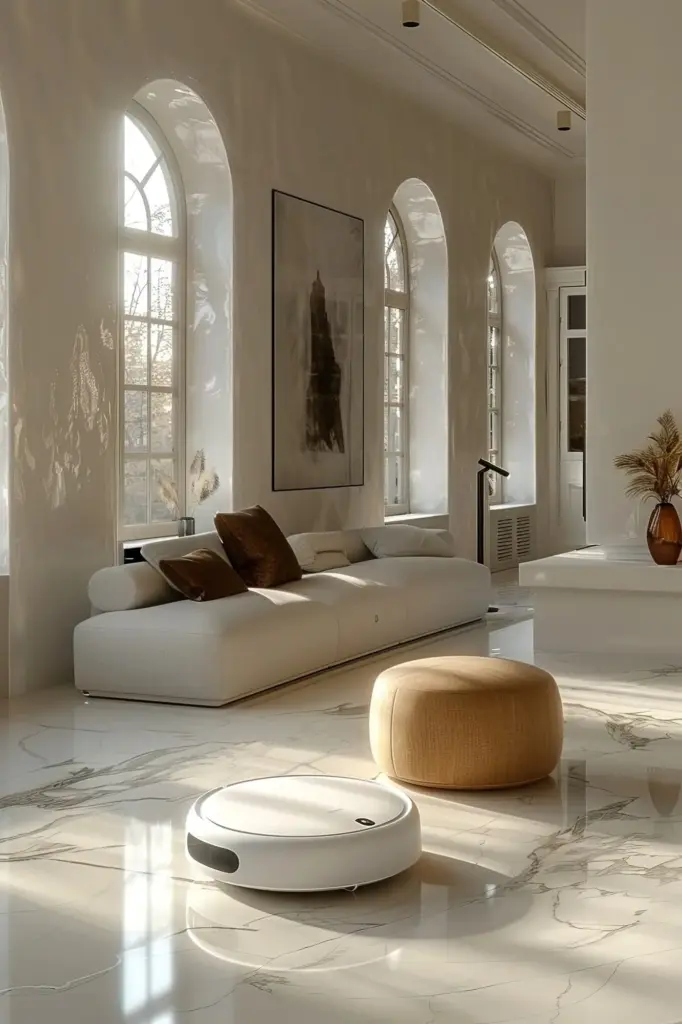
Lighting Layers with Intention
Storage That Disappears
01
Bespoke Interiors
Knife blocks, plate pegs, and bread bins integrated right into drawers reduce countertop clutter. Velvet-lined cutlery works as daily luxury, not excess. Label shelves discreetly so guests can help themselves, and consider clear bins to reveal inventory at a glance before market runs.
02
Appliances That Vanish
Panel-ready dishwashers, fridges, and even compact warming drawers keep the room reading as furniture rather than a machine shop. Aim for aligned reveals and quiet handles, and specify internal organizers so doors never need to stand open longer than necessary.
03
Micro-Zones with Macro Impact
Dedicate small pockets to recurring rituals: a tea drawer with kettle outlet, a breakfast nook with concealed toaster, a cleanup caddy behind a sink panel. These reduce steps and mess, maintaining a serene backdrop even on busy weekdays or chatty Sunday brunches.
Technology, Performance, and Silence
Investment Strategy for Lasting Calm
Where to Splurge
Invest in stone, primary task lighting, and premium hinges or slides you touch daily. A smaller footprint lets you access top-tier materials without runaway budgets. Quality sets the tone, encouraging slower consumption and fewer replacements, which is beautiful for life and planet.
Where to Save Without Compromise
Consider painted MDF panels with wood accents instead of full-veneer runs. Specify standard cabinet boxes behind custom faces. Choose one special metal rather than three. Focus on craft at touchpoints; guests will feel the care even when they cannot pinpoint why.
Sustainability and Wellbeing