Quiet Luxury in Compact Rooms: Layered Lighting and Muted Palettes
Build the Light Ladder
Ambient: The Calm Foundation
Create a soft baseline using ceiling washes, shaded pendants, or hidden coves that spread light evenly while keeping shadows friendly. Favor 2700–3000K lamps with high color rendering to flatter materials and skin tones. In a small room, aim light toward surfaces, not directly at faces; diffusers, drum shades, and alabaster glass keep the glow velvety. This gentleness reduces visual strain, invites longer evenings, and leaves headroom for accents to truly sparkle.
Task: Focused Clarity Without Harshness
Anchor activities with adjustable lamps that aim precisely at work zones, like reading corners, kitchen prep, or a vanity. Pair tighter beam angles with dimmable control to prevent washout, and position lights to the side or slightly behind to cut glare. Matte finishes on desks and counters reduce bounce. Keep cords tidy, bases compact, and switches intuitive. Clarity feels luxurious when effort disappears and light meets the moment without demanding attention.
Accent and Sparkle: Selective Highlights
Use pinpoint beams, picture lights, or hidden strips to kiss art, textured plaster, drapery folds, or shelving displays. A tiny glint on brass, a soft halo along a book spine, or grazing on stone adds perceived depth that visually stretches walls. Less is more; two thoughtful accents beat five shouting points. Tie everything together with dim-to-warm LEDs so evening scenes soften from task-focused brightness into intimate glow without losing color fidelity.
Undertones and Friendly Neighbors
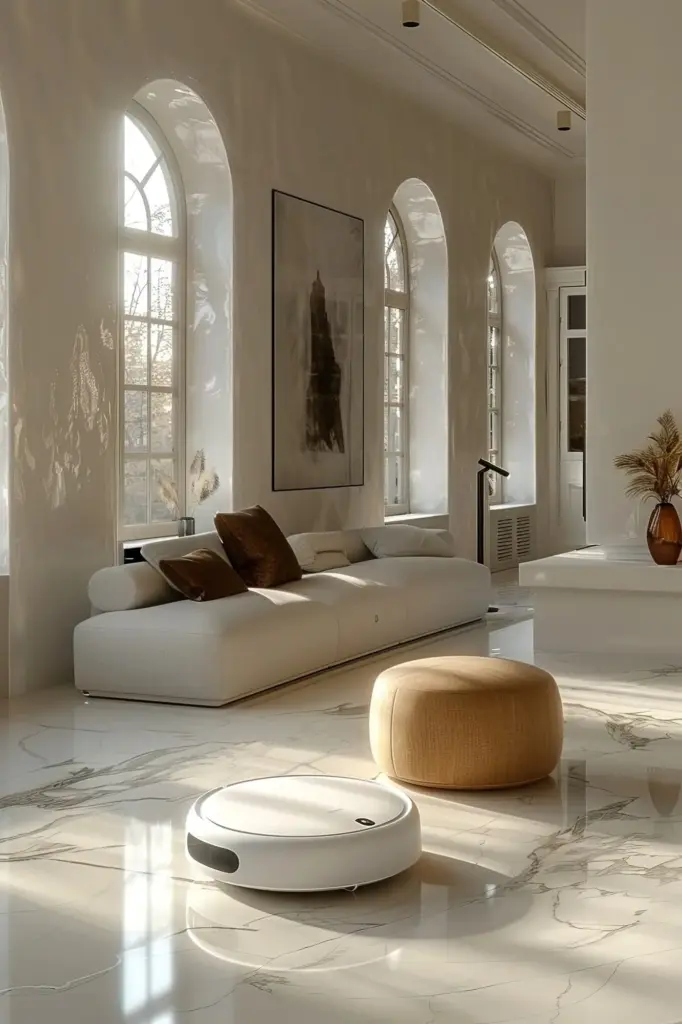
Lay swatches across the room and observe throughout the day; natural light shifts can expose surprising pink, green, or yellow undertones. Group colors by related undertones so transitions feel inevitable, not abrupt. Let metals and wood guide you: brass loves warm grays; nickel enjoys cooler stone notes. Keep vibrant accents grounded by echoing them at lower saturation elsewhere. The result is coherence that reads intentional, a quietly luxurious continuity supporting layered light beautifully.
Tonal Layering With Texture
Maintain a narrow color band and create variety through weave, grain, and sheen. Linen, bouclé, brushed oak, honed marble, and plaster add depth without visual noise. Light will skim textures differently, offering dynamic but gentle interest. This approach is kinder to small rooms than loud contrast, and it photographs effortlessly. Tonal layering protects calm while celebrating material character, letting a space feel collected, intimate, and refined rather than busy or flat.
A Restrained Accent That Breathes
Introduce one accent shade as a soft exhale rather than a shout: a faded indigo throw, a mushroom velvet cushion, or a dusky terracotta vase. Repeat the hue sparingly across three touchpoints to build rhythm without clutter. Light it thoughtfully, avoiding hotspots that would sharpen edges. The accent should feel like a memory across the room, delicate yet present, adding personality while preserving serenity and allowing the lighting composition to remain center stage.
Make Small Rooms Feel Bigger With Light Behavior


Fixture Choices With Human Warmth
Soft Textiles Meet Quiet Color
Small-Scale Furniture and Negative Space
Materials, Finishes, and Fixtures That Whisper Luxury
A Real-World Micro Makeover
Smart Controls, Bulbs, and Gentle Upkeep
Bulb Specs Made Friendly
Look for 2700–3000K for evening warmth, CRI 90+ for faithful color, and lumens matched to purpose: fewer for accent, more for task. Beam angles around 25–40 degrees suit focused pools; wider spreads calm ceilings. Test one lamp before committing. Keep spare bulbs labeled, and avoid mixing radically different temperatures in one sightline. Simple discipline prevents dissonance and ensures every surface reads as inviting, comfortable, and quietly elevated throughout the day.
Scenes That Support Routines
Create three to five scenes: morning clarity, work focus, dining intimacy, and evening unwind. Tie ambient slightly higher for tasks, then let accents take the stage at night. Use schedules or gentle fades to mark transitions without abruptness. Resist novelty; consistency breeds comfort. If an area feels neglected, assign it a small glow and a purpose, like a reading pause or music corner. Lighting becomes choreography, guiding daily rhythm with calm reliability.
Care That Keeps the Glow Clean
Dust shades with a soft brush, wipe glass with lint-free cloths, and check vents on LED fixtures so heat disperses properly. Launder removable textiles seasonally to refresh how they catch light. Touch up scuffed walls with matching matte paint to preserve diffusion. Re-aim adjustable heads quarterly as furniture shifts. Small maintenance moments protect the soft interplay of color and illumination, letting your quiet luxury remain alive, breathable, and beautifully consistent year-round.